RECENT POSTS

Does a Massage Chair Increase Your Electricity Bill? Real Running Cost in Pakistan (2026)
A massage chair draws 150–300 watts during use, less than a single clothes iron. Running one for 30–60 minutes a day typically adds only Rs. 100 to Rs. 700 per month to your bill, depending on your NEPRA tariff slab. It will not push you into a higher slab on its own, and it will not meaningfully affect your bill compared to appliances like an AC or non-inverter fridge.
If you're about to spend Rs. 100,000+ on a massage chair, that's a fair number to want before you check out, not a vague "it uses very little power." Here's the real math, using verified spec-sheet data including Highlife's own massage chair lineup.
How Many Watts Does a Massage Chair Actually Use?
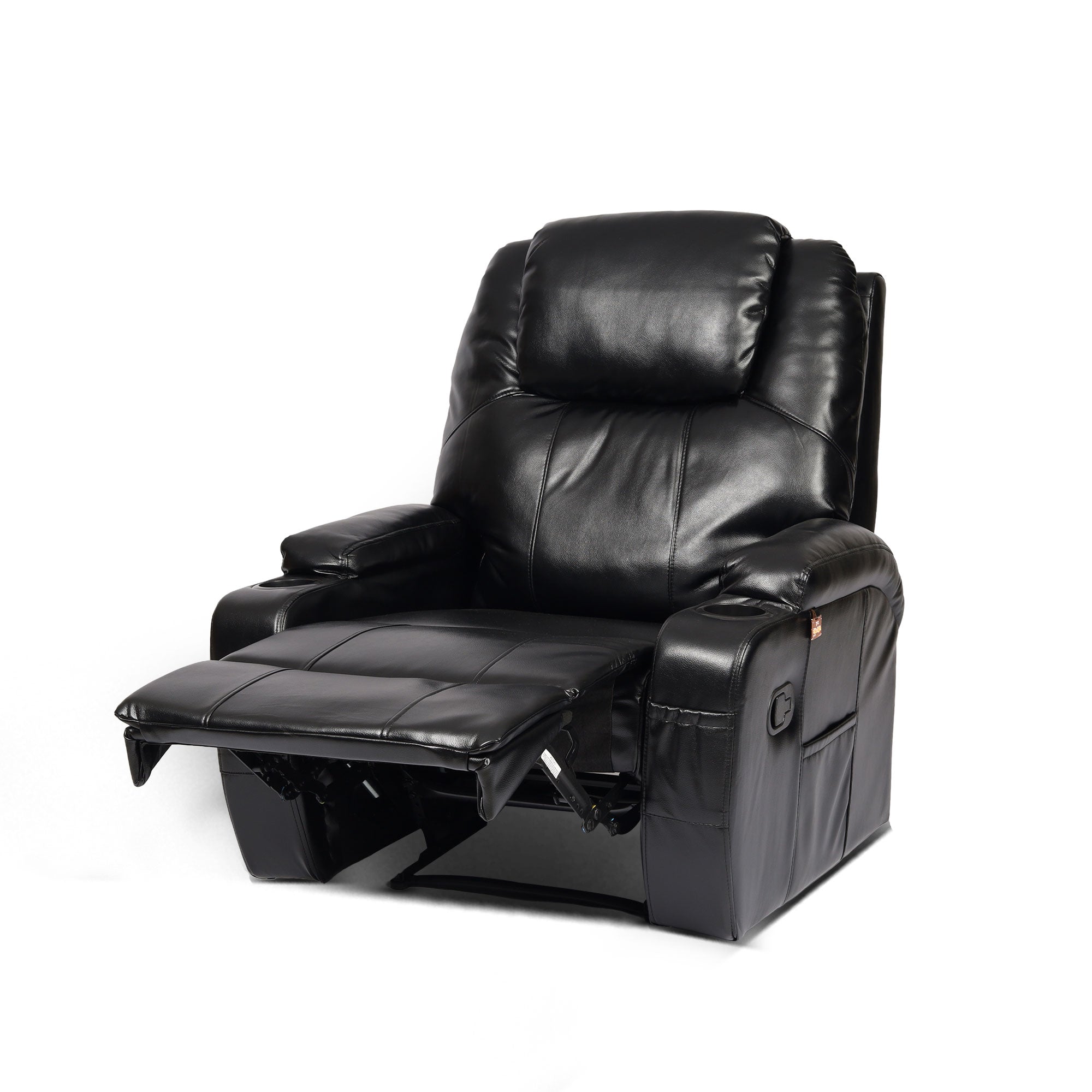
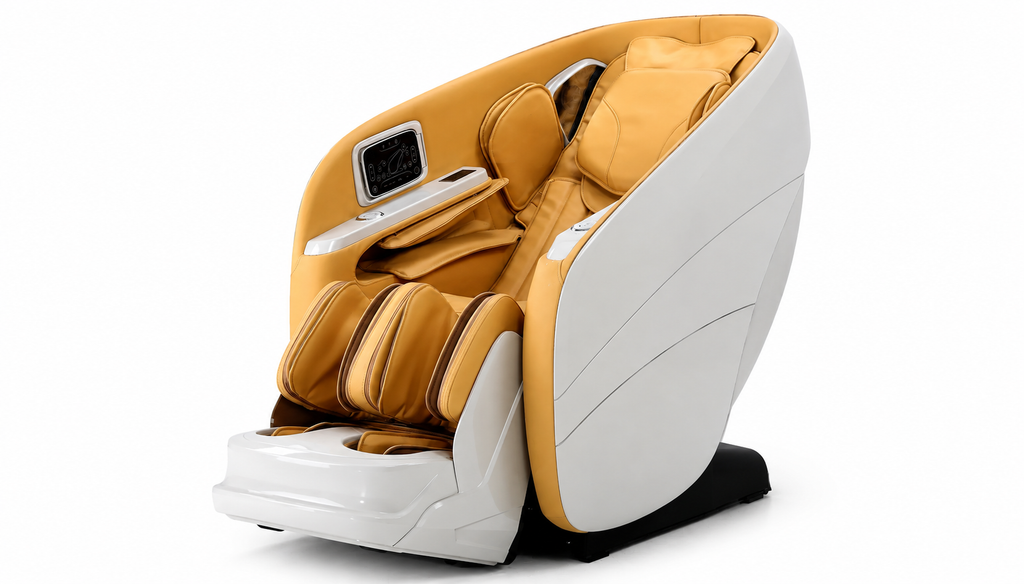
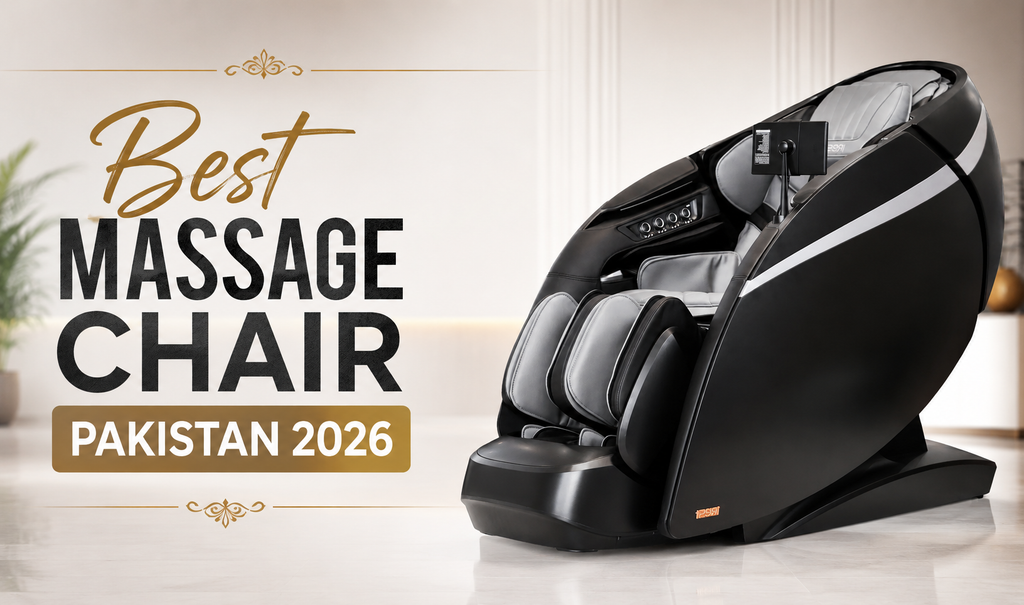
Massage chairs are low-draw appliances. Rated power consumption across most models, including full-body 3D/4D chairs with rollers, heat, and air compression, falls in the 150–300 watt range during active use.
|
Feature running |
Approx. wattage |
|
Roller massage only (no heat/airbags) |
100–150W |
|
Roller + heat therapy |
180–220W |
|
Roller + heat + full air compression |
250–300W |
|
Standby (plugged in, not running) |
Under 5W |
For comparison:
|
Appliance |
Typical wattage |
|
Ceiling fan |
60–80W |
|
Massage chair (full session) |
150–300W |
|
Clothes iron |
1,000W+ |
|
Window/split AC |
1,200–1,500W |
A massage chair running every single feature at once still uses less power than one iron. Standby draw is negligible enough that unplugging between sessions makes no measurable difference to your bill.
What Does It Actually Cost Per Month? (2026 NEPRA Rates)
Pakistan's residential tariff is slab-based and layered with a variable Fuel Charge Adjustment (FCA), so the honest answer depends on which slab your household falls into.
As of the FY2025–26 NEPRA-approved structure: lifeline consumers (up to 50 units/month) pay around Rs. 3.95/unit, protected consumers (up to 200 units) pay roughly Rs. 7.74–13/unit, and non-protected consumers move through slabs from about Rs. 22–48/unit as monthly usage rises, before FCA, GST, and quarterly adjustments are added on top. The national average base tariff has been running close to Rs. 32–34/unit once these adjustments are included.
Here's what that means in real Rupees for a massage chair specifically:
|
Chair wattage |
Daily use |
Monthly units (kWh) |
Cost at ~Rs. 16/unit (protected) |
Cost at ~Rs. 32/unit (mid-slab) |
Cost at ~Rs. 48/unit (highest slab) |
|
200W |
30 min |
3 |
~Rs. 48 |
~Rs. 96 |
~Rs. 144 |
|
250W |
1 hour |
7.5 |
~Rs. 120 |
~Rs. 240 |
~Rs. 360 |
|
300W |
1 hour |
9 |
~Rs. 144 |
~Rs. 288 |
~Rs. 432 |
Even in the worst-case combination, highest wattage, highest tariff slab, plus a generous allowance for FCA, daily massage chair use adds well under Rs. 700 a month. That's less than one physiotherapy session, and a fraction of what an hour of AC use costs at the same slab.
Highlife Massage Chairs, Real Rated Power, Not an Estimate
Most buying guides quote an industry-wide "150–300W" range because they don't have access to actual product spec sheets. Here's what Highlife's own models are rated at:
|
Model |
Rated voltage |
Rated power |
Est. monthly cost (1hr/day, mid-slab ~Rs. 32/unit) |
|
Highlife A101 Premium Massage Chair |
110–240V |
120W |
~Rs. 115/month |
|
Highlife A505-2 Massage Chair |
110–220V, 50/60Hz |
100W |
~Rs. 96/month |
|
Highlife A367-6T (Commercial) |
100–240V |
Wide-range rated for commercial/heavy-use environments |
Contact for full spec sheet |
At 100–120W, both the A101 and A505-2 sit below the typical industry range for full-body massage chairs, meaning the real running cost on these specific models is lower than the general estimates further down this guide. Running either chair daily adds roughly Rs. 100–170 a month even at mid-to-high tariff slabs, and well under that at protected/lifeline rates.
There's a second practical benefit here: both models are rated for a wide voltage range (110–240V and 110–220V), which gives them more built-in tolerance for the voltage swings common on Pakistan's grid, though a stabilizer is still the safer long-term habit, covered below.
Between the two, the A505-2 is the lighter option on your bill at 100W, making it a solid pick if affordability and low running cost are the priority. The A101 Premium trades a slightly higher 120W for a fuller feature set, still modest by any appliance standard, but positioned as the more premium, full-comfort choice for those upgrading their experience rather than optimizing for the lowest possible bill.
Both are available with delivery to Lahore, Karachi, Islamabad, and nationwide across Pakistan.
Will It Push Me Into a Higher Tariff Slab?
This is the part most guides skip, and it matters more than the wattage itself. Pakistan's slab system charges your entire monthly consumption at the rate of the highest slab you cross, not just the extra units. So the real question isn't "how much does the chair use," it's "does the chair tip me over a slab threshold."
For almost every household, the answer is no. A daily massage chair session adds roughly 3–9 units a month, a small fraction of the 100-unit gaps between slabs. Unless you're already sitting right at a slab boundary, a massage chair alone won't be what tips your bill into the next bracket.
Does Load Shedding Damage a Massage Chair?
No, load shedding itself doesn't harm the chair. It simply stops running when the power cuts, the same as a fan or TV.
The real risk is voltage fluctuation when power returns. Sudden surges after an outage can stress a chair's motors and control boards over repeated cycles, the same risk that applies to any motor-driven appliance like a fridge or AC.
Recommendation: Use a voltage stabilizer with any massage chair in Pakistan. It's a modest one-time cost that protects a much larger investment, and it's standard practice we'd recommend regardless of which brand you buy.
With scheduled peak-hour outages currently running around 2–2.5 hours a day in most DISCO areas, a stabilizer is worth budgeting for alongside the chair itself.
Can You Run a Massage Chair on a UPS, Inverter, or Solar?
Yes, in most cases. A massage chair's 150–300W draw is well within what a mid-range home UPS or inverter is built to handle.
Two things to check before relying on it:
-
Confirm your UPS's rated load capacity, some smaller units are sized only for lights and fans, not motor-driven appliances with startup current spikes.
-
Solar households: because a massage chair's draw is so low, it's an easy appliance to run on a small solar + battery setup during daylight hours, a genuinely practical option as rooftop solar adoption keeps growing across Pakistani cities to offset grid demand and outage hours.
3 Ways to Reduce Power Draw Further
-
Use the built-in session timer. Most massage chairs auto shut off after 15–20 minutes. This, not the per-session wattage, is what actually protects your bill, since a chair left running unattended for hours is the real risk factor.
-
Skip heat when you don't need it. Heat therapy adds to the base wattage. A quick roller-only session for daily relaxation draws noticeably less than a full-feature session.
-
Keep up with basic maintenance. Worn motors draw more power to do the same work. Routine care keeps consumption at the efficient end of the range for years.
Frequently Asked Questions
How much electricity does a massage chair use in Pakistan? Most massage chairs draw 150–300 watts during use. Daily use of 30–60 minutes typically adds Rs. 100–700 a month to your bill, depending on your tariff slab.
Will a massage chair significantly increase my electricity bill? No. Even at the highest wattage and tariff combination, daily use adds well under Rs. 700 a month, comparable to running a single iron for the same duration.
Can a massage chair push me into a higher tariff slab? Almost never on its own. A daily session adds roughly 3–9 units a month, a small fraction of the 100-unit gap between most slabs.
Is load shedding harmful to a massage chair? No, the chair simply stops running during an outage. The real risk is voltage fluctuation when power returns, which is why a voltage stabilizer is recommended.
Can I run a massage chair on a UPS, inverter, or solar during an outage? Yes, in most cases. Under-300W draw is well within a mid-range home UPS or small solar setup's capacity, just confirm your specific unit's rated load first.
Is a massage chair more expensive to run than an air conditioner? No, considerably less. An AC draws 1,200–1,500W versus a massage chair's 150–300W, a fraction of the cost for the same duration.
The Bottom Line
Explore the Highlife A101 Premium Massage Chair (120W) or the Highlife A505-2 (100W), both with published rated power on their product pages, so you know the real number before you buy, not an industry guess. Highlife delivers both models to Lahore, Karachi, Islamabad, and nationwide across Pakistan.